Energy infrastructure
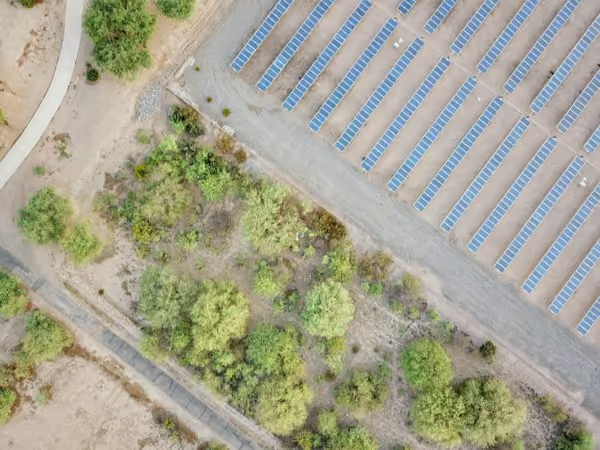
We develop ground-mounted photovoltaic systems and battery storage. First, municipal ground rules, then dialogue with landowners and projects: from the initial site analysis to investment readiness, in partnership with landowners and municipalities.
Voices from the Municipality
What mayors say about working with power2nature.
"In power2nature, we had a trusted expert by our side who took plenty of time to address very complex questions and topics, such as the grid connection assessment."

"Working with power2nature was professionally sound and built on trust."

How we evaluate land
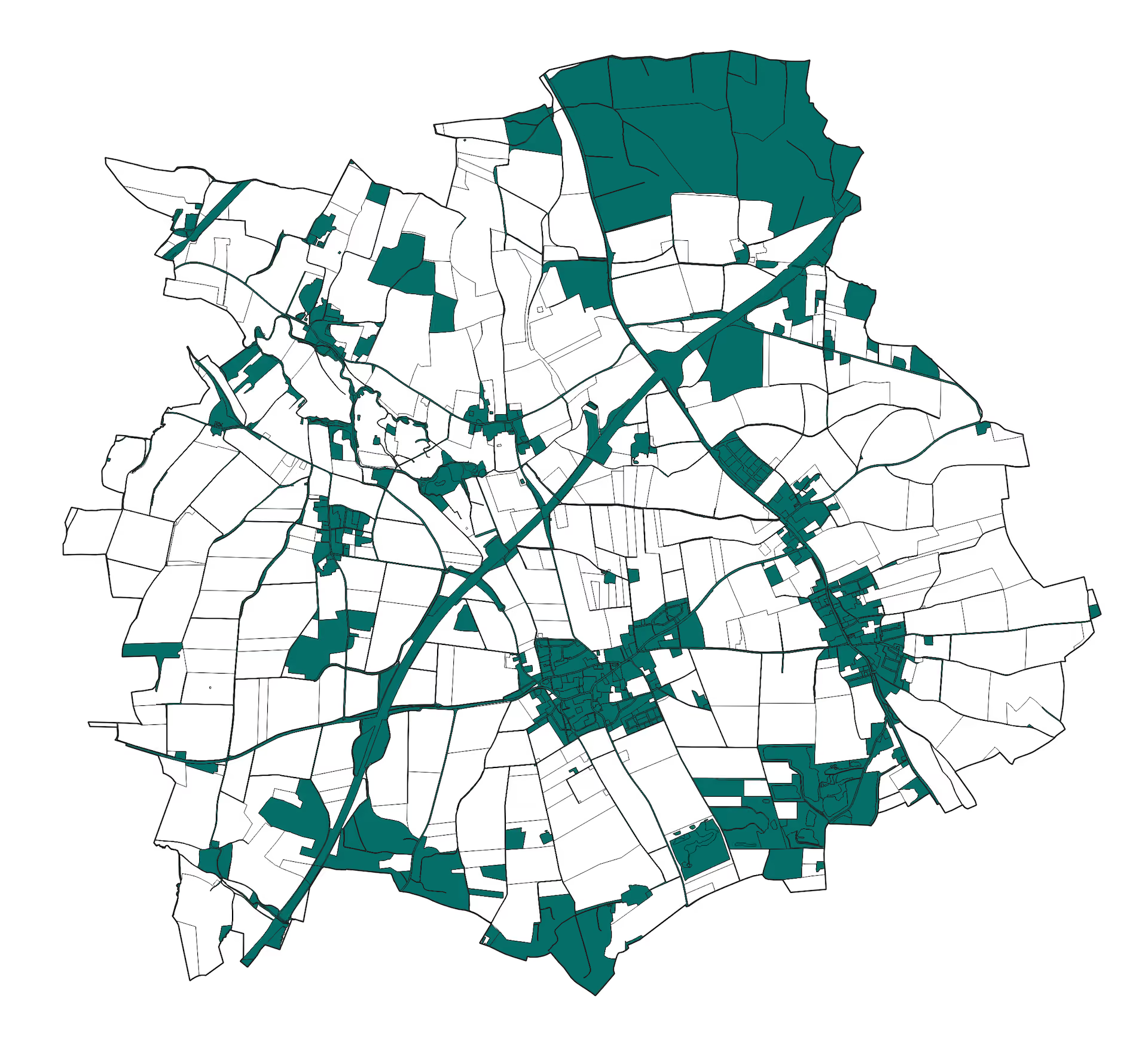
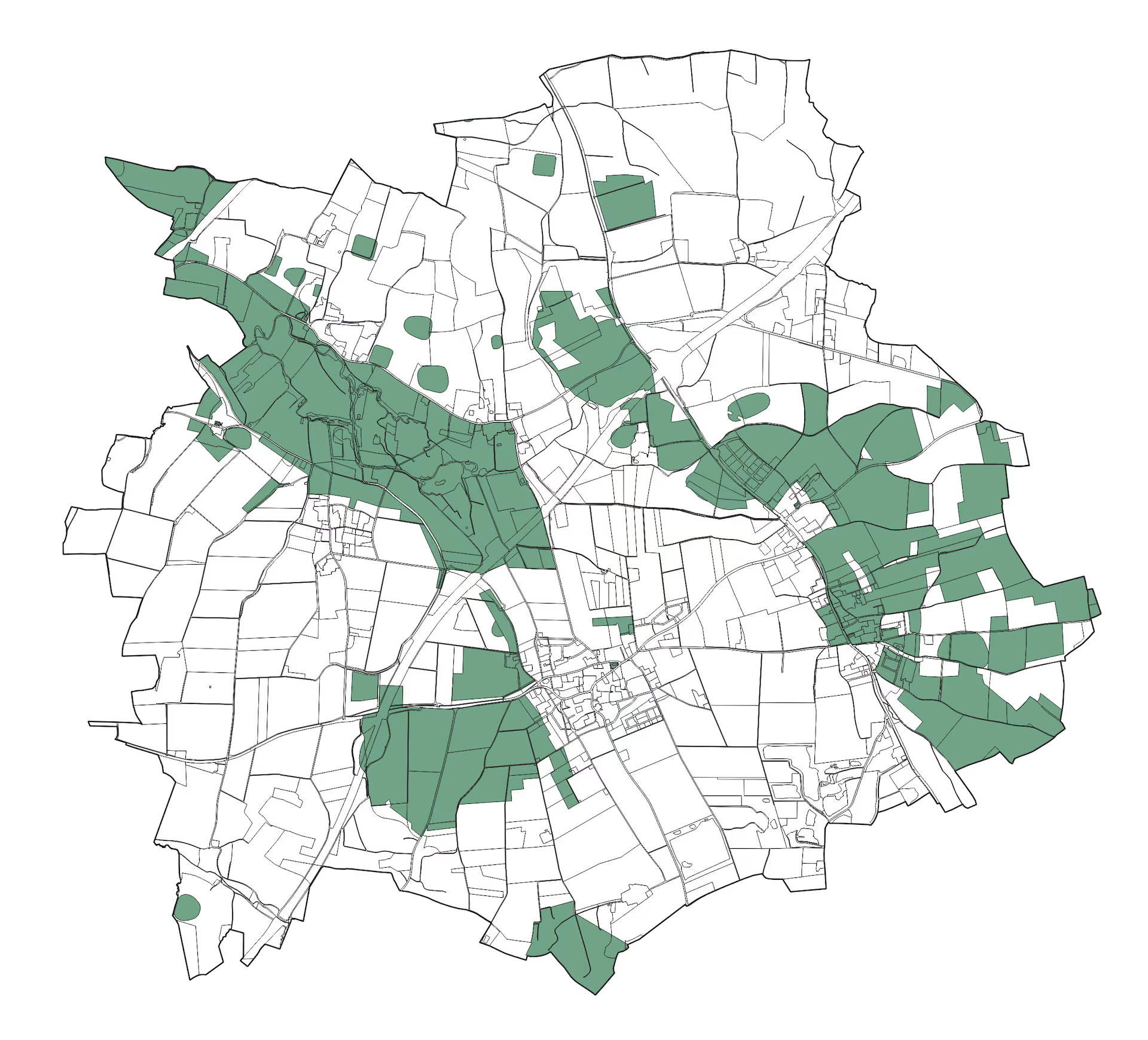
Every site goes through three stages: GIS-supported, based on over 50 legal, planning, and municipality-specific criteria. Every step is transparently documented. The result is a selection of sites for the municipal council to decide upon.
Exclusion
What is ruled out from the start: e.g., forests, residential areas, bodies of water, mapped biotopes, Natura 2000 and nature conservation areas, floodplains, and high-yield agricultural land.
Assessment
Where the municipal council sets the framework: e.g., distances to residential areas and forests, regional planning requirements, and the municipality's own criteria such as scale, preferred locations, or exclusions.
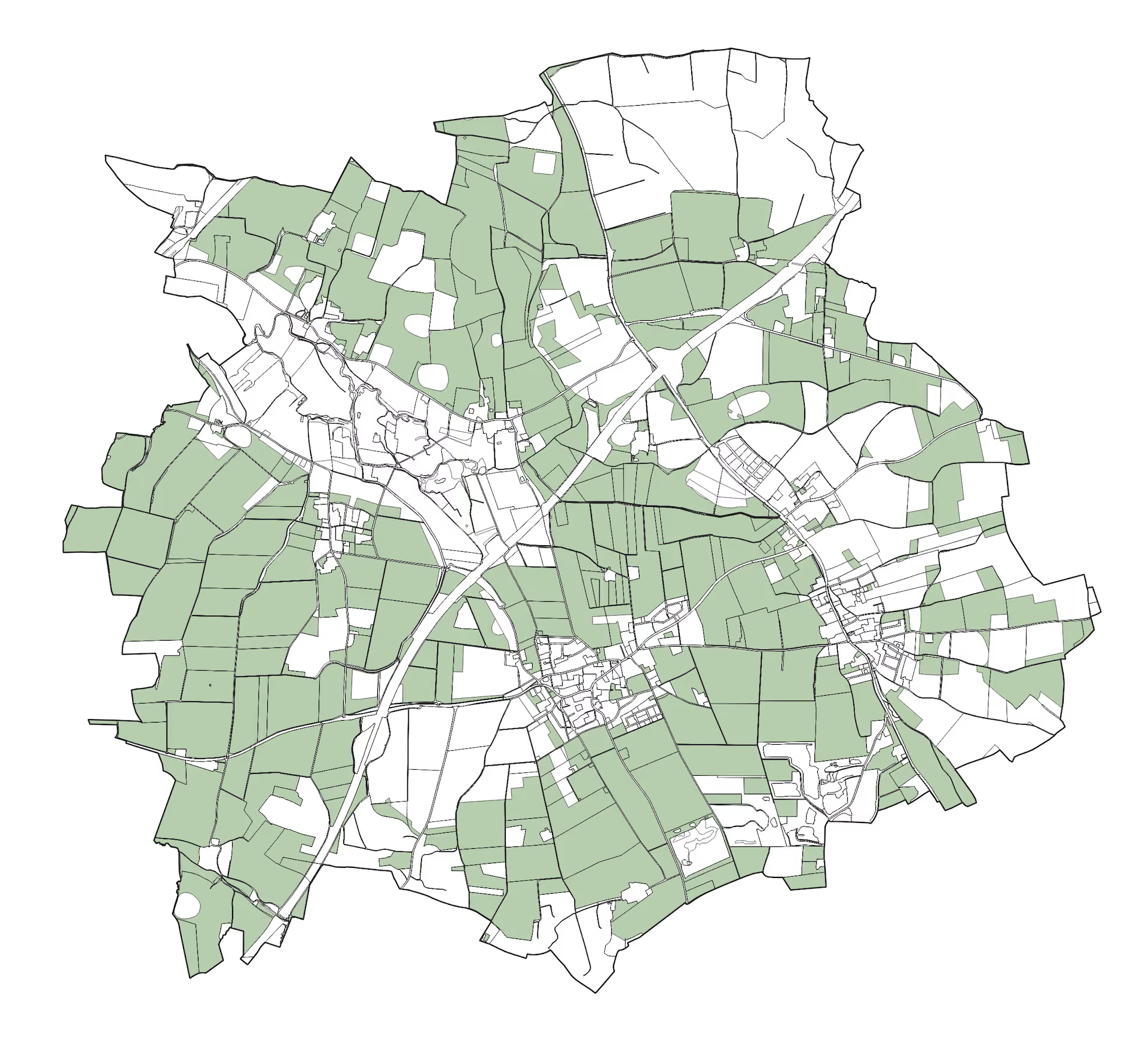
Suitability
Where a project is economically viable: e.g., privileged corridors along motorways and railways, disadvantaged areas, distance to grid connection, site size, and land consolidation.
Six steps to investment readiness
Identification
The starting point is a specific plot of land or a municipal site analysis. Using GIS, we identify locations with potential for energy infrastructure.
Coordination
We involve mayors and municipal councils early on, make complex issues understandable, and support the municipality in setting its own guidelines. We then initiate dialogue with the owners of suitable land.
Qualification
We examine the land, feed-in capacity, grid connection, and planning law in detail. The result is a solid foundation for further development.
Development
Within the agreed guidelines, we make the site robust: land securing, grid connection testing, planning and permitting, and project and usage rights. With every step, the risk decreases and the value of the site increases.
Selection
We accredit operators and investors based on site requirements, municipal guidelines, and their experience and financial strength. The site determines the partner.
Handover
The end result is an investment-ready site: solid development progress, reduced risks, and a partner who handles construction and operation.
Creating value where a solar park is built.
Those who provide the land and make the decisions should also benefit. We clarify early on what a solar park will bring to the municipality, the landowners, and the region, and make this the benchmark for selecting the investor.
Municipality
A solar park provides the municipality with trade tax revenue, most of which remains at the site, as well as a financial share of the electricity revenue, all without the municipality having to invest itself. The municipal council determines which areas are suitable and under what conditions before an investor is selected.
Landowners
Landowners learn the value of their property for a solar park with storage and have a say in what is built on it. They secure predictable lease income for the entire duration of the project. The land remains their property and can be returned to agricultural use after the facility is decommissioned.
Region
Solar power is generated locally, making the region less dependent on energy imports, while storage systems provide power during the hours it is needed. Local businesses can secure fixed prices through long-term power purchase agreements. A solar park barely seals the soil and creates a habitat for insects and birds.
Direct line
Book an appointment directly, write to us, or give us a call.